Five primary markets. Distinct regulatory contexts, buyer profiles, and discharge infrastructure. PKSEurope structures supply programs to match each market's specific procurement requirements.
Rotterdam is Europe's primary biomass import terminal and the benchmark price reference for all European PKS trade. The port's deep-water berths, covered storage facilities, and established commodity handling infrastructure make it the natural entry point for Supramax cargoes arriving from the Strait of Malacca. Price discovery for PKS across the continent originates here, and the commercial terms negotiated in Rotterdam set the parameters for transactions in Gdansk, Hamburg, and Antwerp.
RWE's co-firing operations at Eemshaven represent one of the largest single-site PKS consumption points in Europe, complemented by independent biomass traders and commodity houses maintaining active book positions on the Rotterdam quayside. Dutch procurement teams are among the most technically sophisticated in Europe: documentation requirements are typically presented upfront, and any gaps in chain-of-custody certification or GHG calculation methodology are identified before commercial discussions advance.
PKSEurope supplies CIF Rotterdam as standard, with full RED II compliance packages prepared and delivered alongside commercial documentation. Our supply programs to the Netherlands are structured to accommodate both direct utility procurement and intermediate trader positions, with volume flexibility from trial cargoes to monthly offtake agreements.
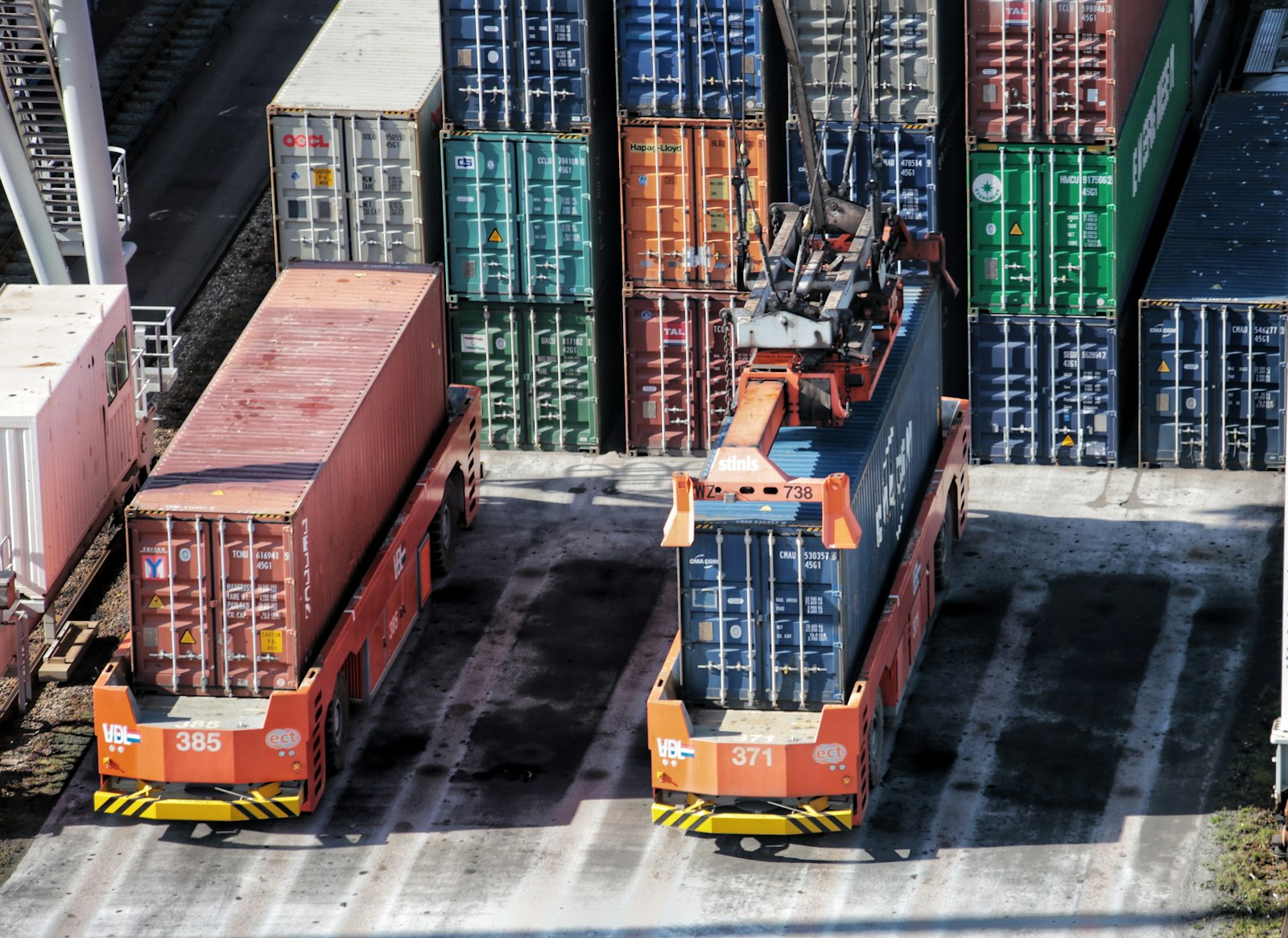
The Netherlands accounts for an estimated 30–35% of total European PKS imports by volume. Rotterdam's position as the continent's primary commodity port means virtually all PKS price negotiations, regardless of ultimate destination, reference Rotterdam CIF as the benchmark basis.
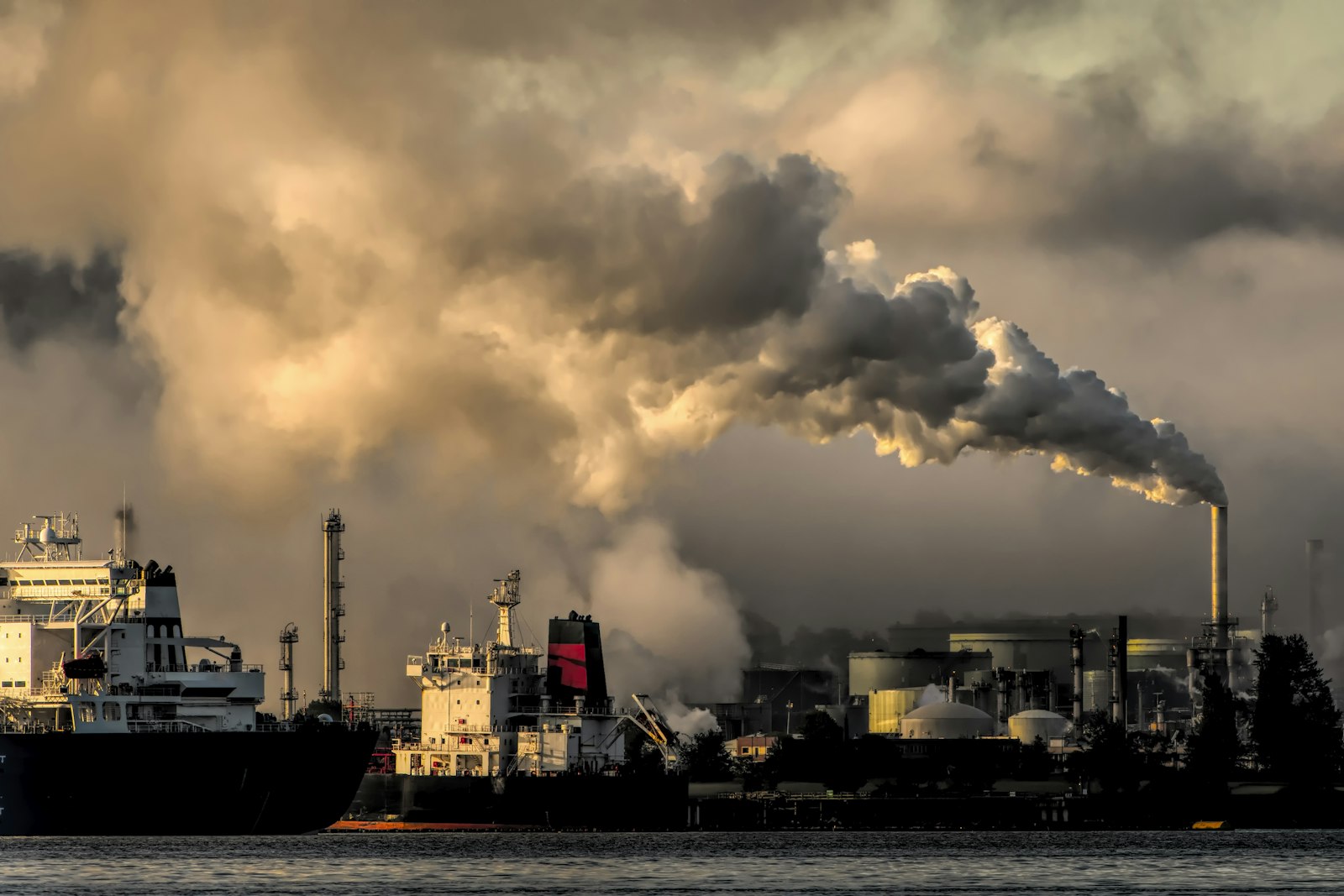
Coal accounts for 57% of Polish electricity generation as of 2024 — the highest proportion in the European Union — and the political economy of Poland's energy transition is reshaping the country's biomass procurement landscape at speed. Tauron, one of Poland's largest energy groups, has announced a coal exit target of 2030 underpinned by a €25 billion capital expenditure plan, while PGE and Enea maintain active co-firing programs as the primary near-term pathway for reducing coal intensity without stranding existing boiler infrastructure.
PKS is uniquely positioned for the Polish market: it is a direct drop-in co-firing fuel for existing pulverised fuel boilers, requiring no boiler modification, no dedicated handling infrastructure upgrades, and no changes to milling equipment. EU Green Deal funding channelled through the Just Transition Fund is accelerating the commercial case for co-firing investments at coal-heavy sites in Silesia and the Łódź region, opening procurement windows that did not exist two years ago.
Polish procurement teams are under increasing regulatory pressure to demonstrate certified sustainable biomass supply chains. PKSEurope's documentation-first approach — providing MSPO and ISCC chain-of-custody certificates, GHG calculation worksheets, and RED II compliance packages as standard — directly addresses the audit requirements facing Polish utilities ahead of the 2026 threshold.
Poland is the fastest-growing European PKS import market by volume trajectory. Coal phase-out commitments from major utilities, combined with the absence of domestic biomass alternatives at scale, are creating structural demand for certified SE Asian PKS that is expected to persist through the 2030s.
Germany's Energiewende — the structural transition away from coal and nuclear towards renewable energy — carries a legislated coal phase-out target of 2038. The practical consequence for biomass supply markets is a procurement cycle that is already underway across hundreds of district heating installations, combined heat and power plants, and industrial boilers operating under the EEG (Erneuerbare-Energien-Gesetz) renewable energy law framework.
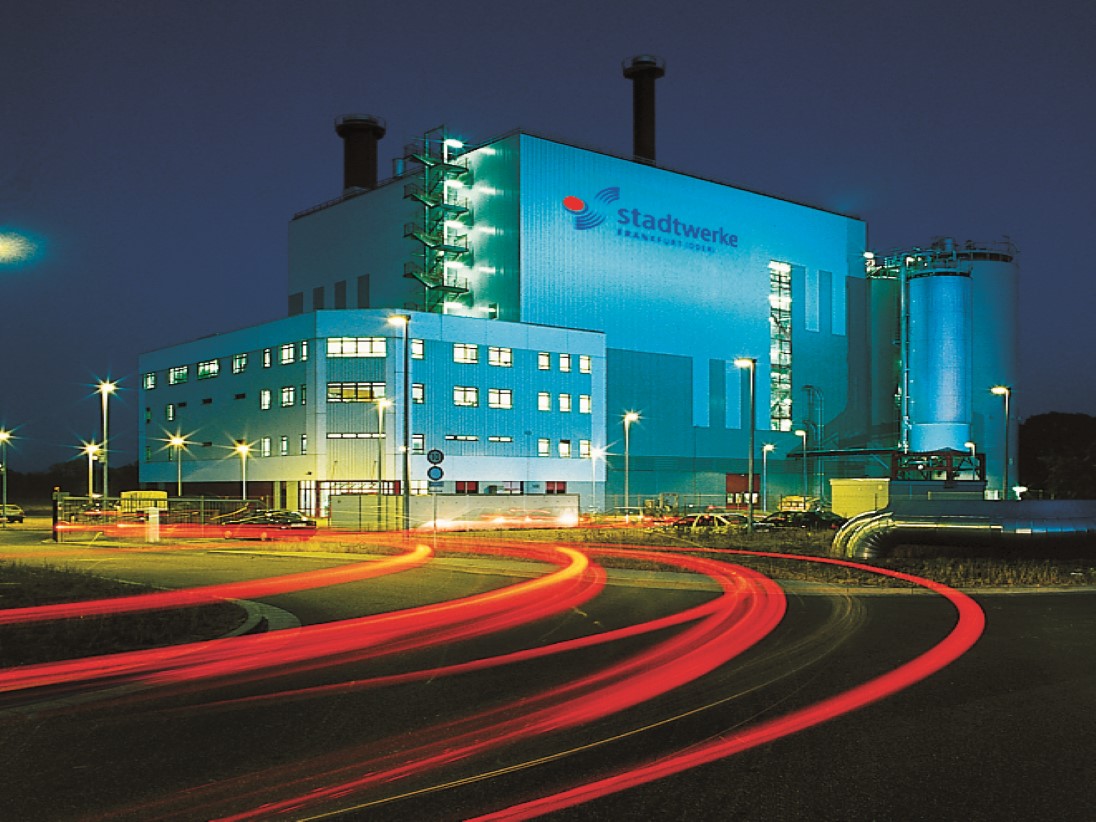
The Stadtwerke network — Germany's municipally-owned energy utilities — represents the most fragmented and commercially accessible buyer segment in European biomass markets. Stadtwerke operate district heating systems and co-generation plants in virtually every German city of meaningful size. Unlike large utilities, Stadtwerke procurement cycles are typically shorter and less bureaucratic, with procurement decisions made at local management level rather than by central corporate commodity desks. This creates opportunities for structured supply programs that larger commodity houses are poorly positioned to address.
Industrial boiler operators in the Ruhr Valley and Bavaria constitute a second significant demand segment, using PKS as a substitute for or blend with coal in process heat applications. These buyers operate under the EEG framework and require the same RED II documentation as utility buyers, but with shorter-term supply commitments that suit PKSEurope's trial cargo program structure.
Germany's Stadtwerke network comprises over 900 municipal energy companies operating district heating and CHP systems. Even modest PKS co-firing rates across a fraction of this network translate to material incremental demand — demand that is structurally underserved by current certified supply programs.
Denmark has committed to near-100% renewable energy production and operates some of the most technically advanced district heating biomass systems in Europe. Ørsted — the former DONG Energy and now the world's largest offshore wind developer — also operates large-scale biomass-fired combined heat and power installations supplying heat to the Copenhagen metropolitan area. HOFOR, Copenhagen's municipal energy utility, similarly operates biomass district heating infrastructure at significant scale.
The Danish market sets the highest sustainability certification bar of any European biomass buyer segment. Danish energy companies, responding to both regulatory requirements and the expectations of their municipal and government shareholders, demand long-term certified supply with full traceability to origin mill. Multi-year offtake agreements of three to five years are the norm rather than the exception, and buyers in this market are prepared to pay a premium for supply programs that eliminate documentation risk across the contract duration.
PKSEurope's structured supply program approach — with MSPO and ISCC certifications maintained through the supply chain, and documentation packages renewed on each cargo — aligns directly with the procurement standards of Danish district heating operators. For buyers seeking certified long-term supply with price stability, PKSEurope is able to structure multi-year offtake agreements with price review mechanisms referenced to Rotterdam CIF benchmarks.
Danish buyers consistently demonstrate willingness to pay a price premium over Rotterdam spot for documented, traceable, long-term certified supply. For sellers able to provide continuous certification across multi-year agreements — as PKSEurope structures its programs to do — Denmark offers the highest commercial return per MT of any European PKS market.
Standard Danish offtake agreements run 3–5 years with quarterly price review mechanisms referenced to Rotterdam CIF index prices. Annual volumes of 60,000–180,000 MT are typical for mid-size district heating operators. PKSEurope structures its supply programs to accommodate these volumes through our multi-origin sourcing network.
Antwerp and Ghent are two of northern Europe's most significant biomass import and processing hubs, and Belgium functions as both an end-market and a redistribution centre for certified biomass supply moving into northern France and the broader ARA (Amsterdam-Rotterdam-Antwerp) trading zone. The port infrastructure at both Antwerp and Ghent is specifically equipped for bulk biomass handling, with covered storage, direct conveyor transfer to processing facilities, and established customs and quality inspection regimes for commodity biomass imports.
Engie's Electrabel subsidiary and independent power producers active in the Belgian market are established biomass buyers, operating under Belgium's green certificate system and EU RED II compliance obligations. Belgium's proximity to northern French industrial sites means that CIF Antwerp and CIF Ghent cargoes are regularly onward-transported by barge into France, extending the effective demand catchment area of Belgian import terminals well beyond national borders.
For PKSEurope, Belgium's dual role as end-market and redistribution hub creates commercial structures that suit both direct supply programs and broader trading arrangements. Buyers seeking PKS for Belgian consumption and buyers seeking to use Ghent or Antwerp as an import-and-redistribute point are both served by our standard CIF delivery framework and RED II documentation package.
Belgium's Antwerp and Ghent ports sit at the heart of the ARA trading zone — the pricing and distribution epicentre for commodity biomass in northwest Europe. CIF Antwerp and CIF Ghent discharges are regularly onward-moved by inland barge to consumption sites in Belgium, France, Germany, and the Netherlands, making Belgian import terminals strategically valuable entry points for supply programs serving multiple end-markets from a single discharge location.