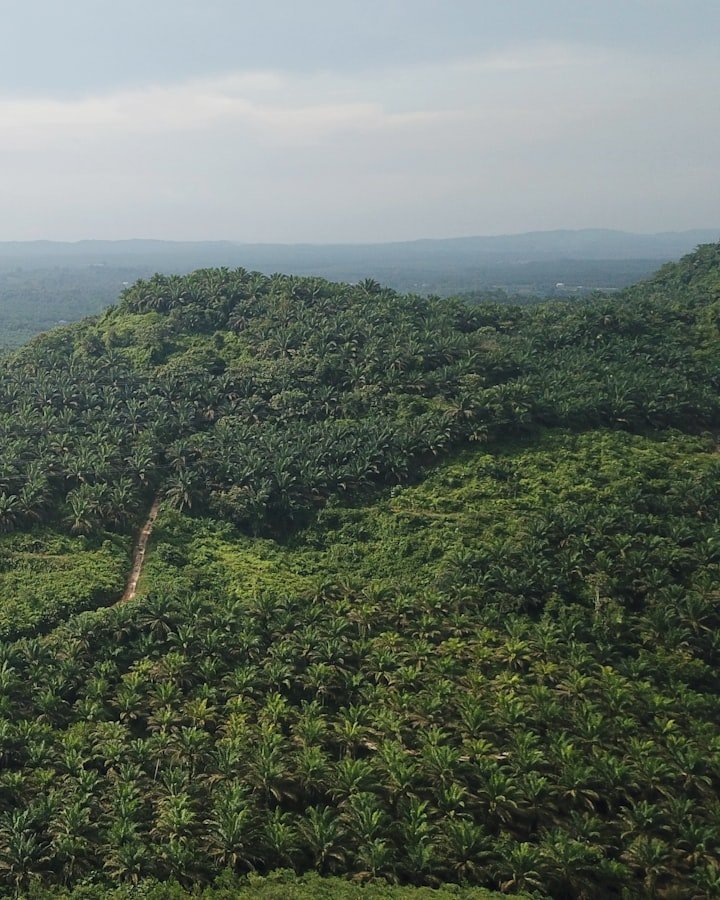
MSPO and ISCC certified supply chains. RED II Article 29 documentation as standard. Up to 70% GHG savings versus coal.
The EU Renewable Energy Directive II (RED II), in force since December 2021, establishes binding sustainability criteria for all biomass fuels used in electricity, heating, cooling, and transport applications within the European Union. For procurement managers and compliance officers at European power utilities, the key reference is Article 29, which sets out the specific criteria that solid and gaseous biomass must satisfy in order to count toward renewable energy targets and qualify for support under national schemes.
Article 29 operates on two levels. First, land-based criteria prohibit the use of biomass derived from lands with high biodiversity value (primary forests, protected areas, highly biodiverse grasslands), high carbon stock (wetlands, peatlands, continuously forested areas), or areas converted from natural forest since 2008. Second, GHG performance thresholds require that the lifecycle greenhouse gas emissions of the biomass fuel be significantly lower than the fossil fuel comparator it displaces.
For existing installations (those operational before 25 December 2021), the GHG savings threshold rises to 70% from 1 January 2026. For new and significantly modified installations, the 70% threshold already applies. The GHG calculation methodology is prescribed under RED II Annex V (for electricity, heating, and cooling applications) and Annex VI (for transport biofuels). PKSEurope prepares GHG worksheets using the Annex V actual value methodology, based on real-world measurement data from certified mills.
PKS sourced from certified Malaysian or Indonesian palm oil mills — where the shell is a residual from existing palm oil production with no land-use change or primary forest interaction — consistently meets all Article 29 land-based criteria and achieves lifecycle GHG savings of 65–70% against the coal comparator, satisfying the 2026 threshold.
70%
Minimum GHG savings required for existing installations under RED II Article 29.10 from January 2026. Certified PKS meets this threshold on a lifecycle basis.
MSPO (Malaysian Sustainable Palm Oil) is the national sustainability certification standard for Malaysian palm oil, administered and enforced by the Malaysian Palm Oil Board (MPOB). Mandatory certification for all Malaysian palm oil producers and processers has been in effect since 2020 — making MSPO the broadest certification coverage of any palm oil producing country in the world.
The MSPO standard is structured around seven principles: management commitment and responsibility; transparency; compliance with legal requirements; social responsibility, health, safety, and employment conditions; environment, natural resources, biodiversity, and ecosystem services; best practices; and development of new plantings. Each principle includes measurable criteria subject to independent third-party audit on an annual basis.
For EU RED II compliance purposes, MSPO certification at the mill level satisfies the land-based sustainability criteria of Article 29.2–29.7. When combined with ISCC EU chain-of-custody certification — which PKSEurope requires across its full supply chain — MSPO-origin PKS meets the complete recognised certification pathway for European renewable energy applications. The European Commission has accepted MSPO as a valid voluntary scheme for demonstrating compliance with RED II sustainability criteria.
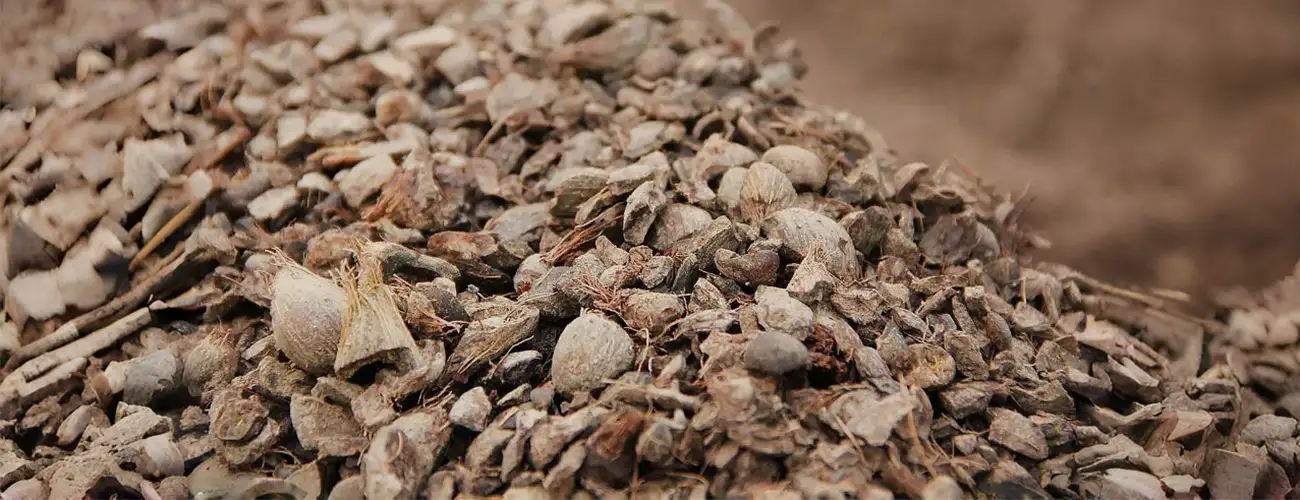
ISCC EU (International Sustainability and Carbon Certification — EU) is the primary third-party certification scheme used for demonstrating RED II Article 29 compliance for biomass and biofuel supply chains entering the European Union. Recognised by the European Commission as a voluntary scheme, ISCC EU provides the internationally accepted chain-of-custody audit framework that connects origin mill sustainability certification to the European buyer's compliance claim.
ISCC EU certification covers the entire supply chain from point of origin to point of delivery in Europe. Each operator in the supply chain — mill, local aggregator, export trader, shipping agent, terminal operator, and ultimately the buyer — holds its own ISCC EU certificate with a defined scope of activities. Mass balance accounting ensures that the certified attributes of the biomass (origin, GHG values, no-deforestation status) are preserved and transferred accurately through each transaction.
The GHG calculation methodology within ISCC EU for biomass destined for electricity, heating, or cooling applications follows RED II Annex V. Certificate holders can use either the default values published in RED II Annex VI (which are conservative but do not require real-world measurement) or actual values based on measured data from the certified mills. PKSEurope works with its mill partners to provide actual value GHG calculations wherever available, as these consistently achieve higher GHG savings than the default values — a meaningful benefit for buyers facing the 70% threshold from 2026.
GHG savings calculations follow EU RED II Annex V, using real measurement data from certified mills for cultivation emissions (e, ec), processing (ep), transport and distribution (etd), and reference fossil fuel (ef = 94 gCO₂eq/MJ for coal). Typical certified PKS achieves a lifecycle GHG value of 25–30 gCO₂eq/MJ versus the coal comparator of 94 gCO₂eq/MJ — delivering savings of 68–73%.
ISCC EU uses a mass balance system, where certified and non-certified material may be physically mixed in storage and transport, but the certified attributes are tracked electronically in the system. This is the same mass balance approach used for sustainable aviation fuel and renewable diesel — it is operationally efficient and regulatory compliant for utility-scale biomass applications.
Based on RED II Annex V methodology. Certified PKS delivers up to 70% GHG savings compared to coal on a lifecycle basis.
Source: RED II Annex V methodology. Actual values based on certified mill measurement data. Individual cargo GHG values are specified in the cargo documentation package.
The European Commission is developing RED III, which is expected to tighten biomass sustainability criteria further, expand the scope of installations subject to GHG thresholds, and increase scrutiny of cascading use principles for woody biomass. For biomass buyers planning supply agreements beyond 2026, forward-looking regulatory risk is a procurement consideration that cannot be ignored.
PKSEurope's supply model is well-positioned for RED III compliance based on current consultation drafts. The byproduct nature of PKS — its clear separation from primary land use, its certified origin status, and its independently audited GHG performance — aligns with the direction of increased stringency, not away from it. Supply chains that rely on certificatory assumptions about land management or forest carbon are exposed; PKS supply chains built on structural byproduct logic are not.
We actively monitor RED III legislative developments and update our compliance documentation framework in advance of any threshold changes. Buyers entering long-term supply agreements with PKSEurope can do so with the confidence that our compliance team tracks regulatory evolution as a core business function — not an afterthought.