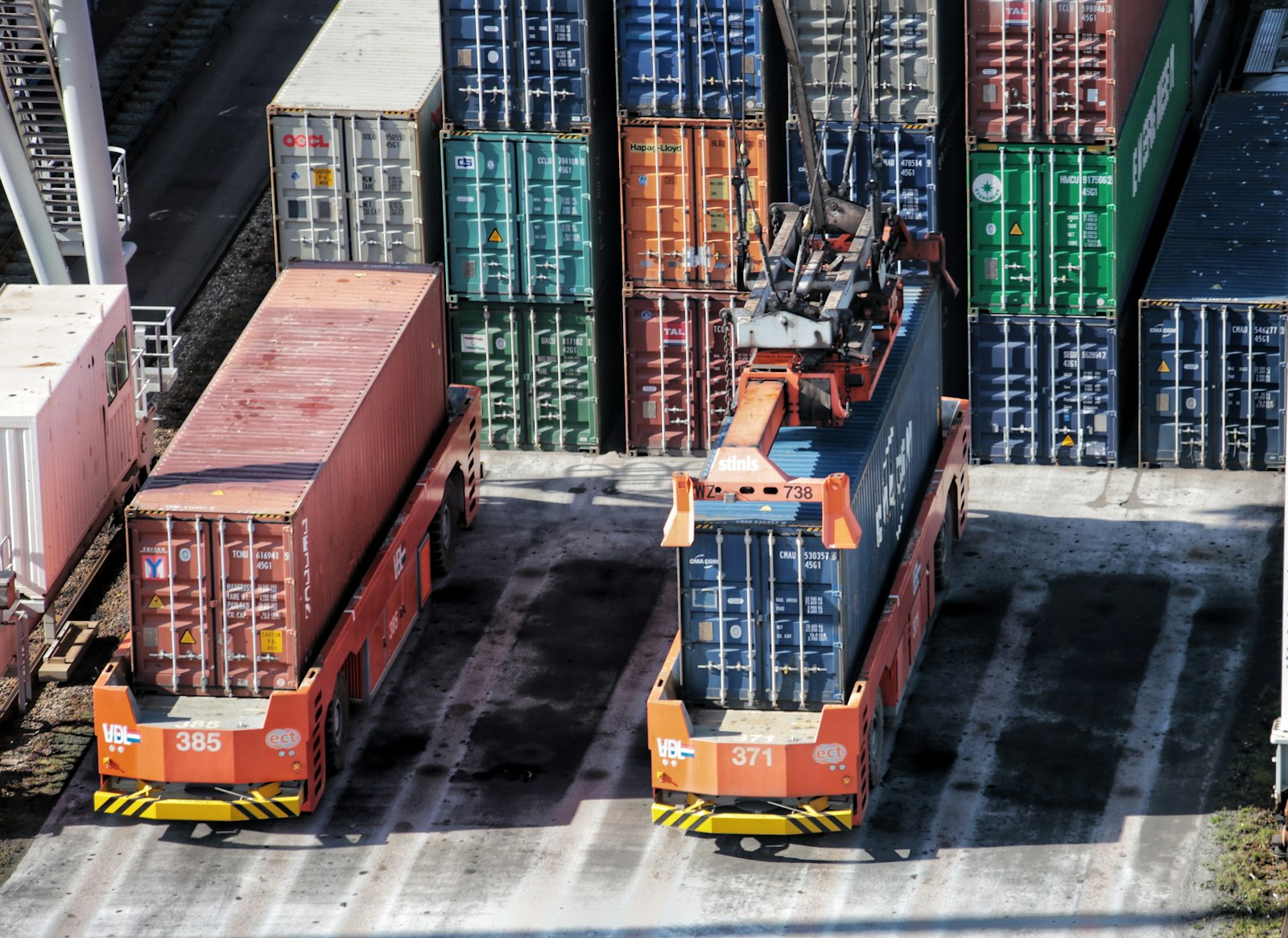
The Port of Rotterdam is not simply Europe's largest port by cargo volume — for the PKS trade specifically, it functions as a price-discovery mechanism, a quality reference point, and the logistics hub through which the majority of Southeast Asian biomass enters European distribution networks. Understanding Rotterdam's role in the PKS supply chain is essential context for any European buyer structuring a supply program, whether they intend to take direct delivery there or use it as a reference market for delivery to Hamburg, Antwerp, or Gdansk.
The Netherlands' position in the PKS trade is not accidental. It reflects a combination of deep-water infrastructure capable of accommodating Supramax and Panamax vessels fully laden from Southeast Asia, established biomass terminal capacity, a highly developed trading and commodity finance ecosystem, and the presence of Europe's most active biomass energy consumer base — including the Amer power station in Geertruidenberg, one of Europe's largest biomass co-firing facilities, and the expanding biomass capacity at the Eemshaven industrial cluster.
Rotterdam's Biomass Terminal Infrastructure
PKS arrives at Rotterdam primarily via dedicated bulk berths in the Europoort and Maasvlakte areas. The relevant terminals combine deep-water vessel access — sufficient for Supramax vessels of 50,000–60,000 DWT arriving fully laden — with covered storage capacity, biomass-specific dust suppression and fire prevention systems, and onward rail and inland waterway connections. The key terminals active in biomass handling include OBA (Overslagbedrijf Amsterdam, also active in Rotterdam satellite operations), Broekman Logistics, and several purpose-built biomass import terminals operated by or for utility end-users.
Covered storage is a non-negotiable feature for PKS handling. Uncovered outdoor stockpiling leads to moisture uptake and, in warm conditions, self-heating — both of which degrade calorific value and create safety risks. The major Rotterdam terminals have invested heavily in biomass-compatible covered dome storage and biomass reclaim systems, which distinguishes them from ports with only general cargo handling capability.
The Maasvlakte 2 expansion, completed in phases since 2013, added deep-water capacity that can accommodate vessels too large for the original Europoort approach channel at full load — a relevant consideration for buyers evaluating the economics of large Panamax cargos (up to 75,000 MT) versus the more common 20,000–30,000 MT Supramax shipments that dominate the PKS trade.
Rotterdam's Pricing Role and Trading Dynamics
CIF Rotterdam is the canonical price reference for PKS in European markets — the level at which Southeast Asian supply and European buyer demand are in equilibrium. Prices are reported by specialist commodity information providers including ICIS, Argus Media, and Fastmarkets, who publish weekly assessments of PKS CIF ARA (Amsterdam-Rotterdam-Antwerp) based on trades and bids/offers observed in the broker market.
The Rotterdam trading community for PKS includes a small number of specialist biomass traders — typically commodity houses with Southeast Asian origin relationships and European buyer networks — as well as trading arms of European utilities that actively buy and sell in the spot market to manage their inventory positions. Price transparency has improved materially since 2018, driven by the growth in published assessments and the increasing number of buyers using market prices as the basis for RFQ benchmarking. This transparency benefits buyers who know how to use it — and disadvantages those who do not.
Logistics from Rotterdam to Central and Eastern European Markets
For buyers whose installations are not located in the Netherlands, Rotterdam functions either as the direct discharge port for onward road or rail distribution, or as a transshipment point for smaller coaster vessels serving secondary European ports. The logistics cost structure for onward distribution from Rotterdam is approximately as follows: road transport to western Germany (€12–18/MT), rail to Poland via Germany (€20–30/MT), and inland waterway barge to Belgium or Germany along the Rhine-Ruhr corridor (€8–15/MT depending on distance).
For Polish buyers, a direct Supramax call into Gdansk or Gdynia — bypassing Rotterdam entirely — may deliver a lower total landed cost once the Rotterdam-to-Poland logistics are factored in. The economics depend on cargo size (direct calls require minimum 15,000–20,000 MT to justify the vessel's Baltic positioning cost) and the buyer's willingness to commit to the larger parcel size. See the Poland market analysis for a more detailed breakdown of the Gdansk logistics equation.
For buyers in Germany and Denmark, Rotterdam remains the cost-optimal entry point for the majority of supply programs, with secondary distribution via the well-developed Rhine-connected barge network or short-sea coastal shipping. PKSEurope structures supply programs for all major European discharge ports. Contact us to discuss the optimal port and delivery structure for your operation, or review the full supply program specifications.
Rotterdam Discharge or Direct to Your Port — We Structure Both
PKSEurope delivers to Rotterdam, Hamburg, Antwerp, Gdansk, and other European discharge ports. Discuss your logistics requirements with our supply team.
Discuss Discharge Port Options