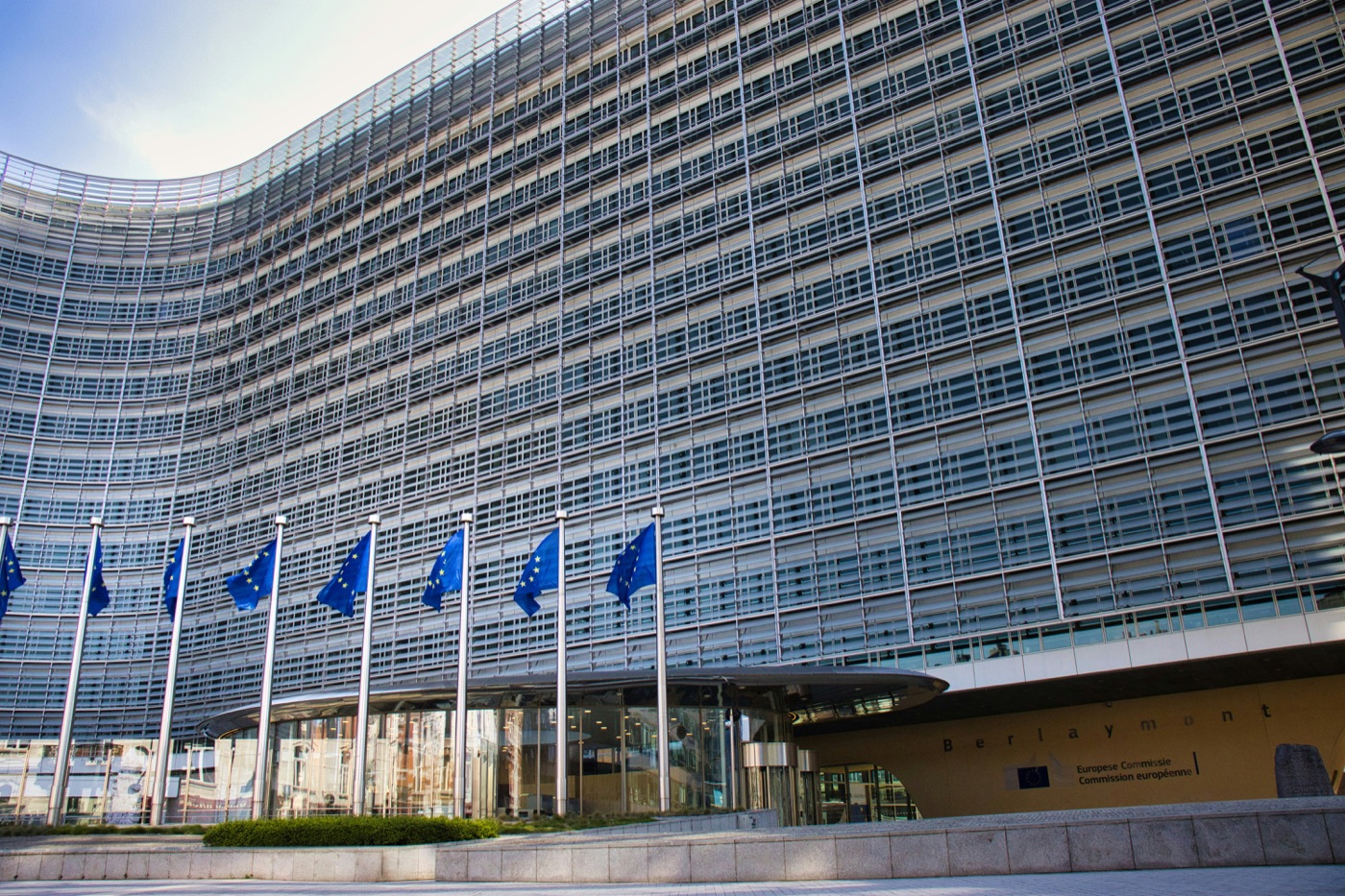
The EU Renewable Energy Directive II is now the central legal instrument governing biomass sustainability in Europe. For procurement managers and compliance officers sourcing Palm Kernel Shell, understanding precisely what RED II requires — and what documentation a compliant supplier must provide — is no longer optional. From 2026, the GHG threshold for existing biomass installations has tightened, and national competent authorities across member states are conducting increasingly rigorous audits of biomass supply chains.
This guide provides a practical framework for European PKS buyers: what Article 29 requires, how certified PKS supply programs satisfy those requirements, what your supplier should be providing with every cargo, and what the forthcoming RED III revisions may mean for ongoing procurement decisions.
Understanding Article 29: The Core Sustainability Criteria
Article 29 of RED II sets out the sustainability and GHG emission saving criteria that biomass must meet to count towards renewable energy targets and qualify for support schemes. For PKS, the relevant criteria are structured around three pillars: land origin and protection, GHG lifecycle savings, and chain-of-custody verification.
On land origin, PKS is classified as an agricultural residue under Annex IX Part B — specifically, it is the hard outer casing of the palm kernel, separated as a byproduct during crude palm oil (CPO) production. This classification is significant because Annex IX Part B biomass is not subject to the full set of agricultural land criteria that apply to purpose-grown energy crops. PKS does not require new land clearing, does not displace food or feed production, and does not generate land-use change emissions in the same way that dedicated energy crops do. However, buyers should confirm that their supplier's certification covers the relevant exclusions for high-carbon stock land (wetlands, peatlands, primary forests) at the mill's sourcing area.
On GHG savings, RED II Article 29.10 requires that biomass fuel used in existing electricity, heating, or cooling installations must demonstrate lifecycle GHG emissions savings of at least 70% compared to the fossil fuel comparator (183.6 gCO2eq/MJ for electricity and heat from coal, under Annex VI). For PKS from certified MSPO or ISCC supply chains, the typical calculated GHG saving falls between 70% and 82% depending on the specific mill's energy profile and transport distances — satisfying the threshold, but leaving limited buffer for supply chain changes that could increase calculated emissions.
Certification Requirements: What RED II Recognises
The European Commission has approved several voluntary certification schemes as recognised mechanisms for demonstrating RED II compliance. For PKS, the three most relevant are ISCC EU (International Sustainability and Carbon Certification), MSPO (Malaysian Sustainable Palm Oil) with ISCC linkage, and SBP (Sustainable Biomass Program), which has increasingly extended its scope to cover palm-based feedstocks.
ISCC EU certification provides the most direct and widely-recognised pathway to RED II compliance for PKS. Certified operators must undergo annual third-party audits, maintain chain-of-custody records from the mill through to the point of delivery, and submit GHG calculation worksheets demonstrating the required savings. MSPO certification covers Malaysian palm oil sustainability criteria but requires supplementary ISCC documentation for the GHG calculation component to satisfy EU requirements fully.
Buyers should always request a current, valid certification certificate — not just a statement of intent to certify — and verify the certificate scope covers the specific mill or mills from which their cargo will be sourced. The full certification guide explains how to verify each scheme's scope in detail.
Documentation Checklist for Every Cargo
A compliant PKS supplier should provide the following documentation with every commercial cargo, at or before the bill of lading date:
- Certification certificate(s) for all origin mills (ISCC EU, MSPO+ISCC, or SBP), showing current validity and scope
- Chain-of-custody (CoC) certificate covering the cargo from mill to vessel
- GHG calculation worksheet using the Annex V or Annex VI methodology, showing the calculated saving percentage
- Sustainability declaration (Statement of Compliance with RED II Article 29) signed by the supplier
- No-deforestation attestation covering origin sourcing areas
- Bill of lading with cargo description referencing the certification scheme and certificate number
- Independent survey report covering moisture, calorific value, and ash content (typically from SGS, Bureau Veritas, or equivalent)
Buyers whose installations require specific national reporting — such as the Netherlands' SDE++ scheme or the UK's RTFO for co-firing — may require additional documentation formats. Confirm these requirements with your supplier before the first cargo and document them in the supply agreement.
What to Ask a PKS Supplier
When evaluating a new PKS supplier, the following questions will quickly reveal whether their compliance posture is robust or superficial. Which specific mills are in scope for their certification, and can they provide mill-level traceability? How recent is their last third-party audit, and can they share the summary findings? Who performs their GHG calculations, and what assumptions do they use for transport distances and conversion efficiencies? What is their process for managing certification gaps if a mill loses certification mid-contract?
A supplier who cannot answer these questions clearly is either working with uncertified supply or has not invested in the compliance infrastructure that European buyers now require as a standard condition of contract. View the PKSEurope supply program overview to understand how our documentation is structured for European compliance teams. For a printable reference, see our RED II Documentation Checklist for PKS Buyers.
RED III: What Is Coming
The European Commission's proposed RED III revision, currently moving through the legislative process, introduces several changes relevant to PKS buyers. The GHG saving threshold for all installations — including those currently grandfathered at lower thresholds — is expected to rise to 80% by 2030. This will require supply chain optimisation from some origins, particularly those with longer transport legs or higher mill energy intensity. Annex IX Part B biomass feedstocks, including PKS, are expected to retain their classification and their exemption from full land-use criteria, which is an important signal for long-term sourcing decisions.
Buyers structuring multi-year supply agreements from 2026 should include a compliance review clause that allows documentation requirements to be updated as RED III is transposed into national law. For guidance on structuring a compliant long-term PKS supply agreement, contact our supply team.
Receive a Sample RED II Documentation Package
PKSEurope provides a complete RED II compliance document package with every cargo. Contact us to receive a sample package for your compliance team's review before your first shipment.
Request Documentation Sample