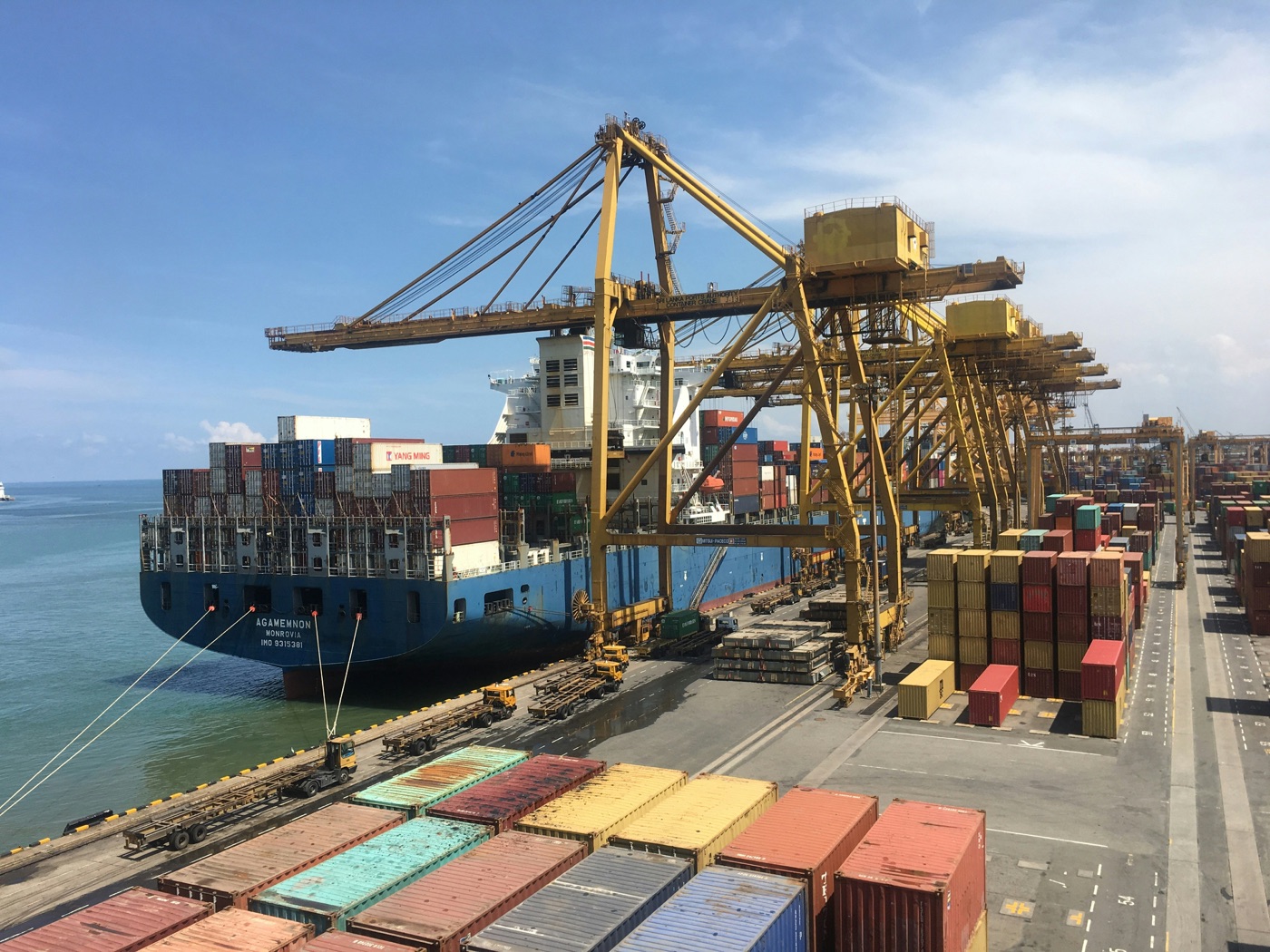
When European buyers first engage with the PKS market, a common assumption is that Palm Kernel Shell is a generic commodity — that material from Peninsular Malaysia is broadly interchangeable with material from Sumatra, and that quality differences between origins are minor compared to the logistics savings from opportunistic sourcing. This assumption is incorrect, and buyers who act on it typically encounter quality variance, documentation gaps, and compliance complications that erode the commercial advantages they were chasing.
Understanding the meaningful quality differences between Malaysian and Indonesian PKS — and within each country's producing regions — is essential for structuring supply programs that deliver consistent performance at European co-firing installations.
Certification and Documentation Differences
The most immediately consequential difference between Malaysian and Indonesian PKS for European buyers is the certification landscape. Malaysia's national palm oil sustainability standard, MSPO (Malaysian Sustainable Palm Oil), is the dominant certification scheme for Malaysian mills and is increasingly linked to ISCC EU through a recognition agreement that allows MSPO-certified operators to use a simplified pathway to ISCC EU compliance. The result is that Malaysia's largest and best-operated mills — primarily in Peninsular Malaysia, Sabah, and Sarawak — have straightforward, well-documented pathways to RED II-compliant supply.
In Indonesia, the equivalent national scheme is ISPO (Indonesian Sustainable Palm Oil), which has a different structure and is not currently the subject of a formal European Commission recognition agreement for RED II purposes. Indonesian PKS suppliers seeking to supply European buyers therefore typically pursue ISCC EU certification independently, without the benefit of an MSPO-style bridge. The result is that the pool of ISCC EU-certified Indonesian PKS suppliers is narrower than the total Indonesian production base would suggest, and the documentation quality varies more widely between suppliers.
Buyers with strict RED II compliance requirements are advised to request a valid, current ISCC EU certificate from Indonesian suppliers and verify the specific mill scope of the certificate before contract. The certification guide explains how to verify certificate authenticity and scope for both MSPO and ISCC schemes.
Calorific Value and Combustion Quality
Malaysian PKS from Peninsular Malaysia's established mill complexes consistently achieves net calorific values of 17.5–18.5 MJ/kg on an as-received basis, with relatively tight standard deviations from cargo to cargo. This consistency reflects the maturity of the Malaysian palm oil milling industry — well-capitalised facilities with standardised kernel processing equipment and established internal quality management systems. Sabah and Sarawak origins perform similarly, though moisture content at loading can be higher during the wettest months of the year (October through January) if mills lack covered stockpile facilities.
Indonesian PKS quality is more variable, with a wider range of calorific values observed across Sumatra and Kalimantan origins. The best-operated Indonesian mills — primarily in North Sumatra and South Sumatra provinces, with established direct-loading port access — deliver PKS quality comparable to the best Malaysian material. However, the Indonesian production base includes a large number of smaller, less technologically advanced mills where PKS quality control is less rigorous. Contamination with palm kernel expeller (PKE) or palm fruit residue is more frequently reported in Indonesian cargos from smaller mills, which can suppress calorific value and increase ash content beyond specification.
Moisture Control and Handling Infrastructure
Moisture is the primary variable affecting the as-received calorific value of PKS, and the degree to which it is controlled varies significantly between origins and between individual mills. Malaysian Peninsular mills, which operate in a lower-humidity environment and have generally better-invested mill infrastructure, more consistently achieve moisture levels below 20% at the point of loading. Covered storage facilities at port staging areas further reduce moisture pickup during the export process.
Indonesian loading from Belawan (North Sumatra) and Dumai (Riau) is generally well-managed for Sumatra origin material, with major exporters operating proper pre-shipment drying and covered storage. However, Kalimantan origins often involve longer internal river or road logistics before reaching a main export terminal, during which moisture content can increase materially, particularly in the wet season. Buyers specifying Indonesian origin should include a maximum moisture guarantee of 20% at the bill of lading date, confirmed by independent survey at the loading port.
Which Origin Suits Which Buyer Type?
For European utilities operating under strict RED II documentation requirements with experienced compliance teams and low tolerance for quality variance, Malaysian Peninsular origin from established MSPO/ISCC-certified mills represents the lowest-risk supply profile. The certification infrastructure is mature, the documentation is standardised, and cargo-to-cargo quality consistency is reliably high.
For buyers able to manage some origin flexibility in exchange for cost savings, blended Malaysian/Indonesian supply programs — where a proportion of each cargo originates from ISCC EU-certified Indonesian mills — can deliver competitive pricing without compromising compliance. This is the approach taken by several larger European biomass trading houses that maintain relationships with vetted Indonesian suppliers alongside Malaysian origins.
PKSEurope sources from both Malaysian and Indonesian certified origins and can structure supply programs that specify origin constraints appropriate to each buyer's operational and compliance requirements. View the full product and supply program specification, or contact our team to discuss origin options for your supply program.
Discuss Origin Specifications for Your Supply Program
PKSEurope sources certified PKS from both Malaysian and Indonesian origins. We can structure programs with origin constraints that match your compliance and quality requirements.
Discuss Origin Requirements